
7 Problems Linked to Low-Quality Epoxy Floor Supplies
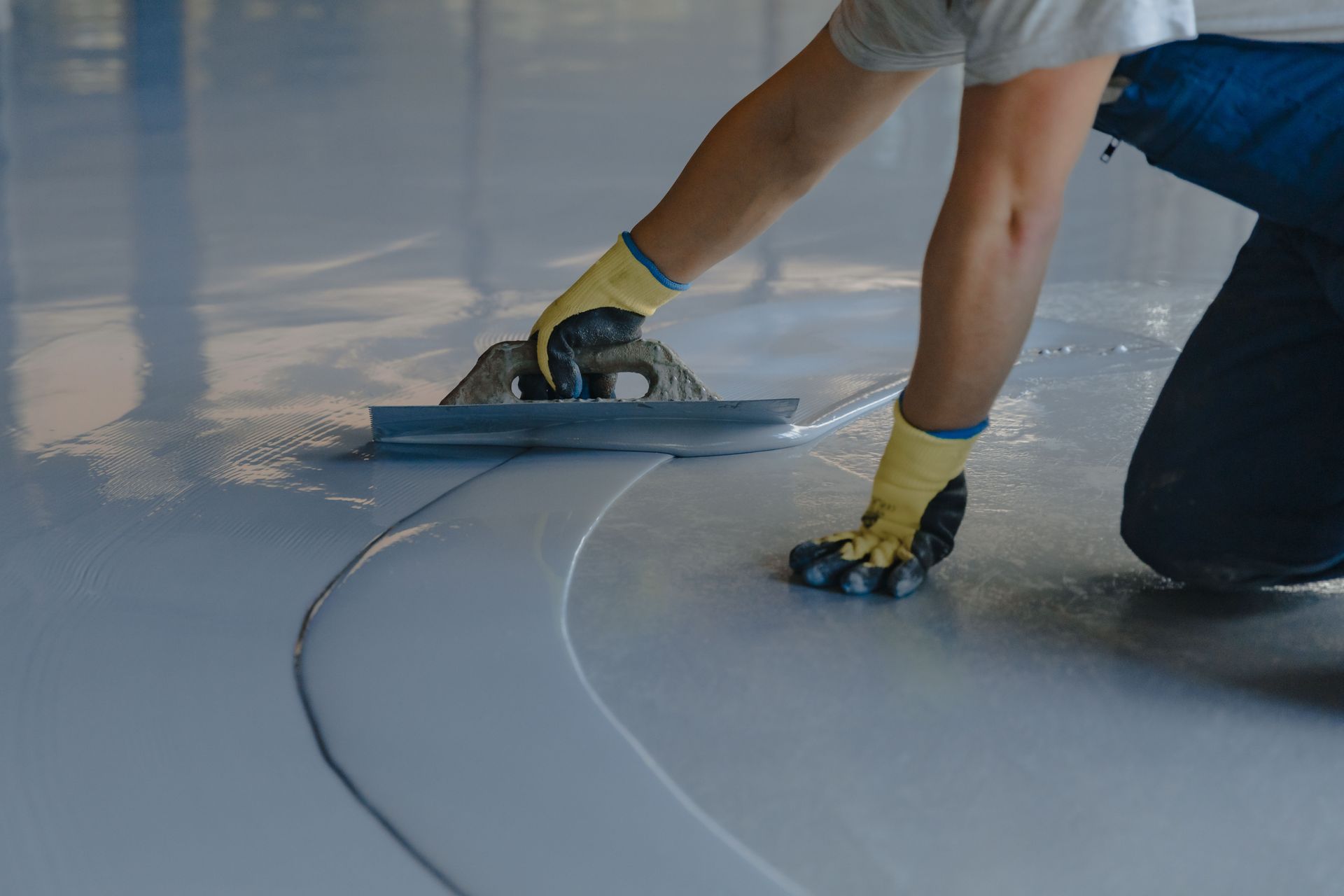
Epoxy floors have a reputation for being tough, sleek, and dependable. When done right, they can completely transform a space, making it cleaner, brighter, and easier to maintain. When the materials are subpar, though, the story changes quickly. Floors that should feel like a long-term upgrade can turn into a source of frustration, unexpected costs, and constant repairs.
If you have ever walked into a room and noticed peeling edges, cloudy patches, or uneven gloss on an epoxy floor, chances are the issue started with low-grade materials. The quality of epoxy floor supplies plays a major role in how well a floor performs over time. Let’s talk through the most common problems linked to poor-quality products and why investing in the right materials from the start can save a lot of headaches later.
1. Poor Surface Adhesion Over Time
One of the earliest and most visible problems with low-grade epoxy is weak adhesion. At first, the floor might look fine. The color appears even, and the shine is there. Over time, though, corners start lifting, small bubbles appear, or entire sections begin to separate from the surface underneath.
This usually happens because low-quality epoxy floor supplies lack the proper balance of resins and hardeners needed to bond effectively. Without that strong bond, the coating struggles to stay attached as the surface naturally expands and contracts. Moisture in the substrate can make this even worse, causing peeling that spreads faster than expected.
Strong adhesion is not just about looks. When epoxy detaches from the surface, it exposes the floor below to damage, staining, and wear. What should have been a protective layer ends up doing very little, and repairs become unavoidable, often leading to escalating deterioration, higher costs, and disruptions that could have easily been prevented.
2. Inconsistent Appearance And Finish Quality
Another common frustration with inferior epoxy materials is an uneven or unpredictable finish. You might notice dull patches next to glossy areas, streaks that refuse to level out, or a cloudy haze that never fully clears.
This inconsistency often comes from poor formulation. High-quality epoxy is designed to self-level and cure evenly, creating a smooth, uniform surface. When epoxy floor supplies fall short, the result can feel patchy and unprofessional, even if everything else was done correctly.
Appearance matters more than people sometimes realize. Floors are large visual elements, and flaws stand out quickly under good lighting. An inconsistent finish can make an otherwise clean, well-designed space feel unfinished or neglected, which is the opposite of what epoxy flooring is supposed to achieve.
3. Reduced Resistance To Daily Wear
Epoxy floors are often chosen because they are known for handling regular foot traffic, rolling equipment, and everyday activity without showing immediate signs of wear. Low-quality materials struggle to live up to that expectation.
Scratches appear more easily, the surface scuffs instead of resisting impact, and the protective top layer wears down faster than it should. This happens because inferior epoxy floor supplies may not cure to the proper hardness or may lack additives that enhance durability.
Once the surface starts wearing unevenly, the floor becomes harder to clean and more prone to staining. What began as a smooth, resilient coating can quickly turn into a surface that looks tired and worn, even though it is relatively new.
4. Shortened Lifespan And Premature Failure
One of the biggest disappointments with low-grade epoxy is how quickly it can fail. Epoxy flooring is often chosen with longevity in mind, and for good reason. According to HomeAdvisor, solvent-based and solid residential epoxy flooring can last 10 to 20 years when properly cared for and maintained. That kind of lifespan, however, depends heavily on the quality of the materials used.
When epoxy floor supplies are not up to standard, the floor may start breaking down far sooner than expected. Cracking, peeling, fading, and surface erosion can all appear well before the floor should be showing its age.
A shortened lifespan does not just mean inconvenience. It often means paying again for removal, surface preparation, and reapplication. What seemed like a cost-saving choice at the beginning can end up costing significantly more over time.
5. Increased Sensitivity To Environmental Conditions
Temperature changes, humidity, and exposure to sunlight all affect how epoxy floors behave. High-quality epoxy is engineered to handle these variables with minimal issues. Lower-grade products, on the other hand, can be extremely sensitive to their environment.
You might see discoloration where sunlight hits the floor regularly or notice that the coating becomes brittle in cooler conditions. In warmer or more humid environments, the surface may remain slightly tacky or fail to cure evenly.
This sensitivity often traces back to the chemistry of the epoxy itself. Epoxy floor supplies that lack proper stabilizers and protective components simply cannot adapt as well, making them a risky choice for spaces with changing conditions.
6. Higher Maintenance And Repair Demands
Epoxy floors are often praised for being easy to maintain. With low-quality materials, that promise quickly fades. Instead of simple cleaning, the floor may require frequent touch-ups, recoating, or spot repairs just to keep it looking presentable.
Stains can set in more easily, especially if the surface becomes porous due to wear or improper curing. Small chips or cracks can spread, turning minor issues into larger repair projects.
Over time, the added maintenance becomes more than an inconvenience. It disrupts normal use of the space and adds ongoing costs. Choosing reliable floor supplies helps keep maintenance predictable and manageable, rather than constant and reactive.
7. Compromised Safety And Performance
Safety is another area where low-grade epoxy can fall short. Floors that chip, peel, or wear unevenly can become slippery or create tripping hazards. In some cases, the surface may not provide the level of slip resistance expected, especially when exposed to moisture.
Performance also suffers when the epoxy does not cure correctly or maintain its integrity. The floor may fail to protect the underlying surface from chemicals, spills, or abrasion, reducing its overall usefulness.
High-quality epoxy floor supplies are designed with performance in mind, offering consistent texture, reliable curing, and long-term protection. When those elements are missing, both safety and functionality are compromised.
At the end of the day, epoxy flooring should feel like a smart, dependable upgrade, not a source of constant concern. Many of the problems people associate with epoxy floors are not caused by the concept itself, but by the materials used to bring it to life. By understanding how low-quality
epoxy floor supplies can impact adhesion, appearance, durability, and safety, it becomes much easier to see why material quality matters so much.
If you want epoxy flooring solutions that are built to perform, last, and look great over time, it helps to start with materials that are designed for reliability rather than cutting corners. A well-installed epoxy floor should give you confidence every time you walk across it, not leave you wondering when the next issue might appear.
From adhesion and durability to finish quality and safety, every detail traces back to what goes into the system from the very beginning. Choosing high-grade products is not just about aesthetics; it is about protecting your investment and avoiding unnecessary stress down the road. If you want epoxy flooring solutions that are built to perform, last, and look great over time, reach out to Architectural Products Inc today.
Subscribe to our Blog




Share On: