
Hardscaping vs. Landscaping: What's the Difference?
Creating an attractive and functional outdoor space involves much more than simply planting flowers or installing a patio. Homeowners and property managers often hear the terms “hardscaping” and “landscaping” used interchangeably, but the two concepts actually refer to different aspects of outdoor design. Understanding the distinction between them is essential when planning a residential or commercial exterior project.
Both hardscaping and landscaping play important roles in improving curb appeal, increasing property value, and enhancing outdoor usability. While landscaping typically focuses on living elements such as grass, trees, and plants, hardscaping involves the non-living structural features that shape and support an outdoor environment. Together, these components create balanced, visually appealing spaces that can be enjoyed year-round.
The outdoor improvement industry continues to experience strong growth as more property owners invest in exterior upgrades. According to IBISWorld, the U.S. landscaping services market was valued at $178.5 billion in 2024, demonstrating the increasing demand for professional outdoor design and maintenance services. As the industry expands, homeowners are relying more heavily on experienced contractors and a trusted landscaping supplier to help bring their outdoor visions to life.
Choosing the right combination of hardscaping and landscaping depends on several factors, including property size, climate, maintenance preferences, and overall design goals. Understanding how these two elements work together can help property owners make smarter investment decisions while creating beautiful and functional outdoor spaces.
In this article, we will explore the key differences between hardscaping and landscaping, the benefits of each, how they complement one another, and why working with a professional landscaping supplier can help ensure long-term project success.
Understanding the Basics of Landscaping
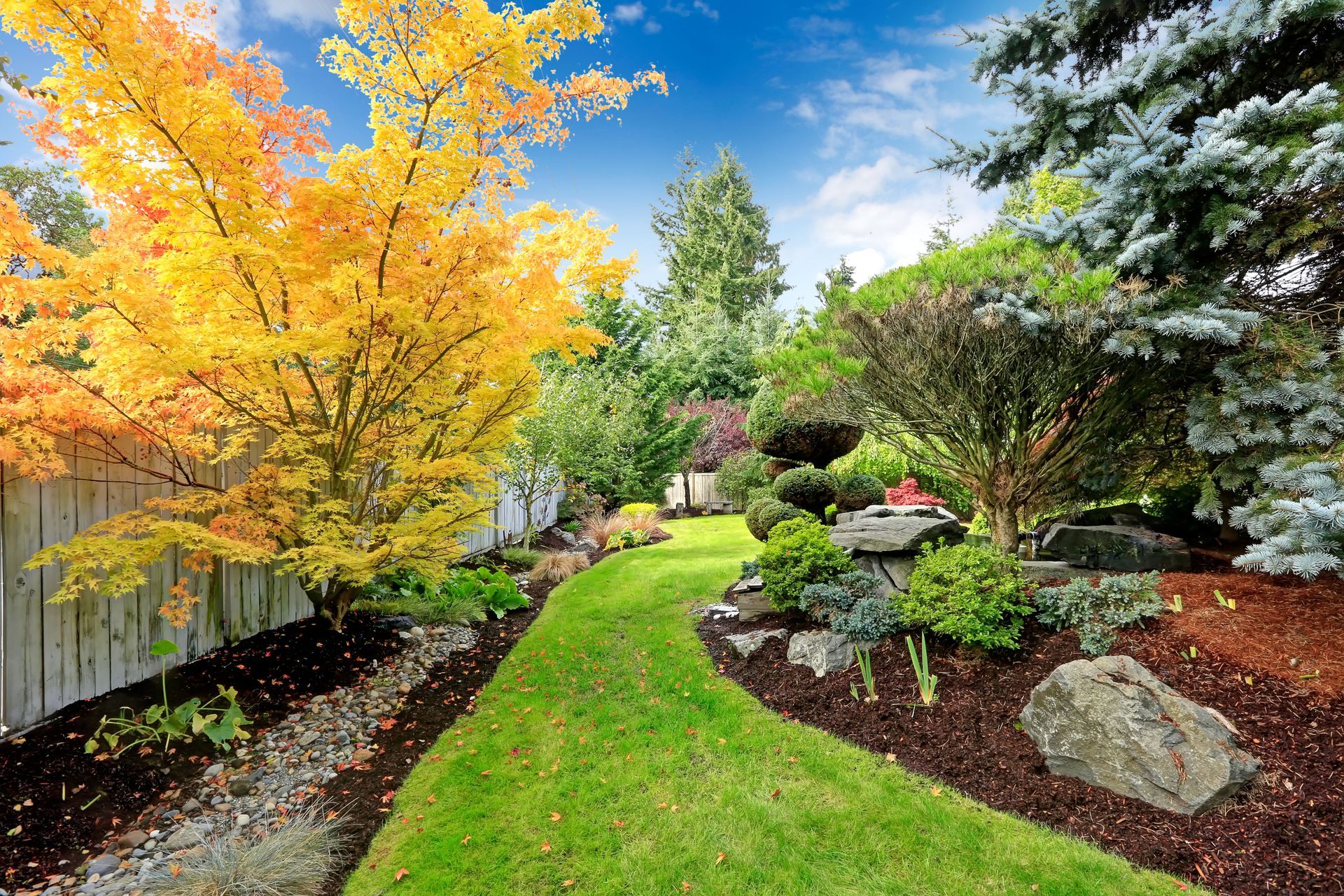
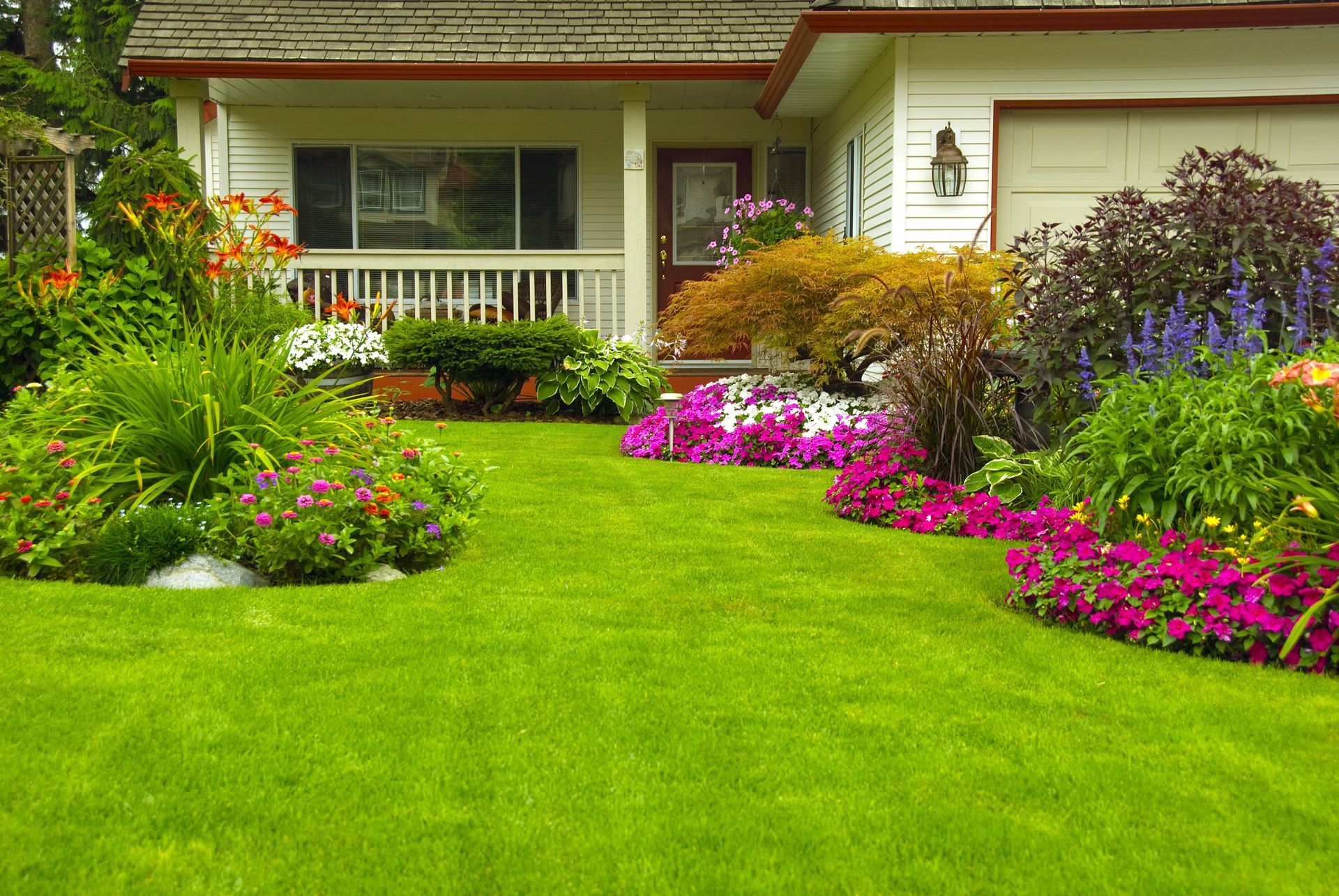
Landscaping refers to the living and natural elements within an outdoor environment. This includes grass, shrubs, flowers, trees, soil, gardens, and other plant-based features that contribute to the appearance and health of a property.
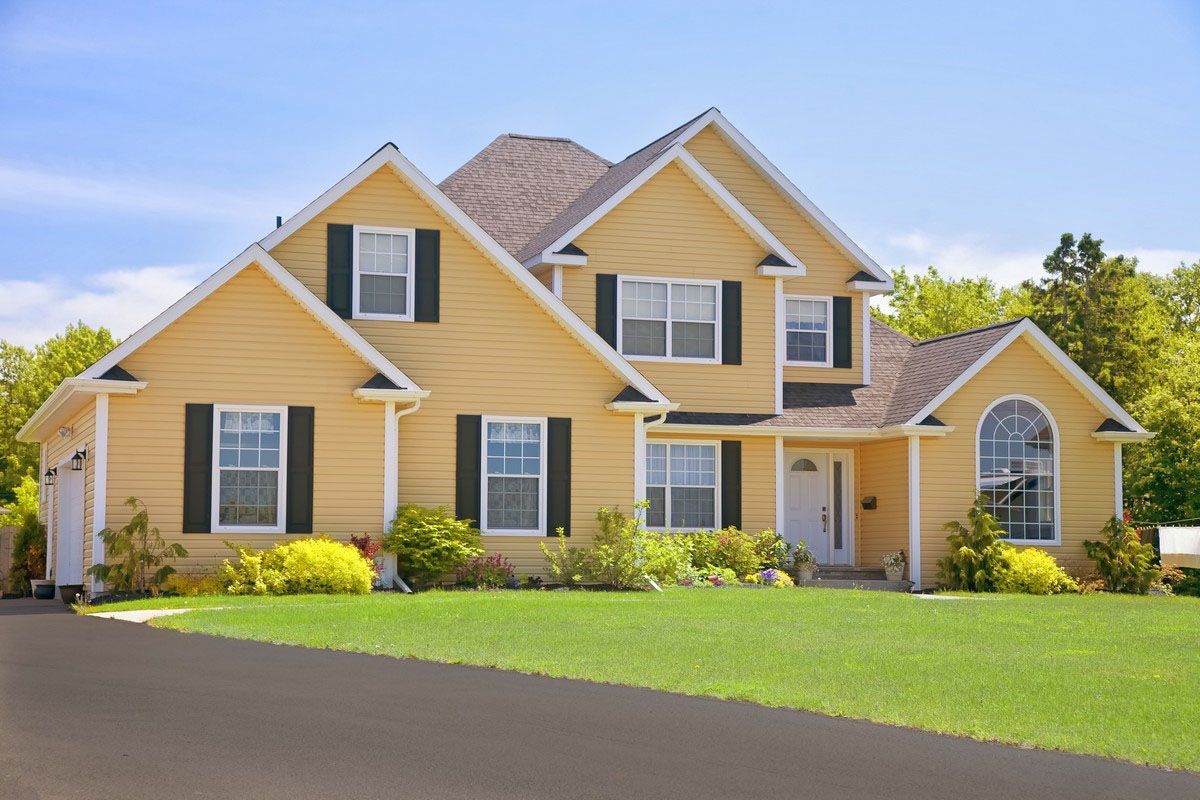
The primary goal of landscaping is often to create a visually appealing and environmentally balanced outdoor area. Well-designed landscaping can improve curb appeal, provide shade, support local ecosystems, and create relaxing spaces for homeowners and visitors.
Professional landscapers carefully consider factors such as soil quality, climate conditions, drainage, and plant compatibility when designing outdoor spaces. Different plants require varying levels of sunlight, water, and maintenance, making thoughtful planning essential for long-term success.
Many homeowners also use landscaping to create seasonal beauty throughout the year. Flowering plants, decorative gr
asses, and evergreen trees can provide changing colors and textures that enhance outdoor aesthetics across different seasons.
A reliable landscaping supplier plays a major role in these projects by providing high-quality materials such as mulch, soil, sod, decorative stone, and plants. Access to quality materials helps ensure that landscaping projects remain healthy and visually appealing over time.
Landscaping also contributes to environmental sustainability. Trees and plants can improve air quality, reduce soil erosion, and help manage stormwater runoff. As environmental awareness grows, many property owners are incorporating eco-friendly landscaping practices into their outdoor designs.
Understanding the Purpose of Hardscaping
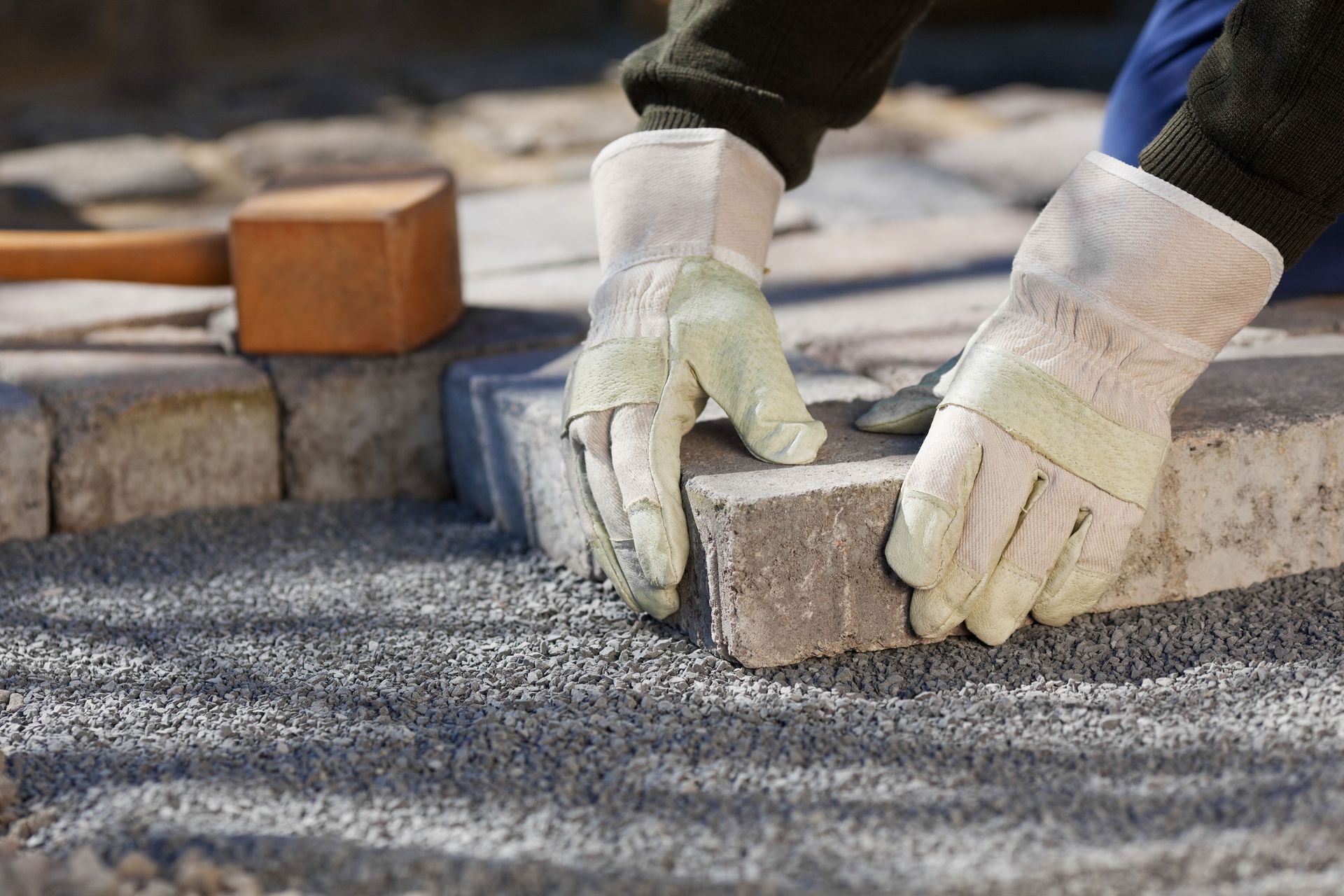
While landscaping focuses on living elements, hardscaping involves the non-living structures and materials that shape an outdoor space. Common hardscaping features include patios, walkways, retaining walls, driveways, decks, fire pits, outdoor kitchens, and stone pathways.
Hardscaping provides structure, functionality, and durability to exterior environments. These features help define outdoor living areas while improving accessibility and usability.
For example, patios create gathering spaces for entertaining guests, while retaining walls help manage slopes and prevent soil erosion. Walkways improve navigation across a property, and outdoor kitchens extend living spaces beyond the home's interior.
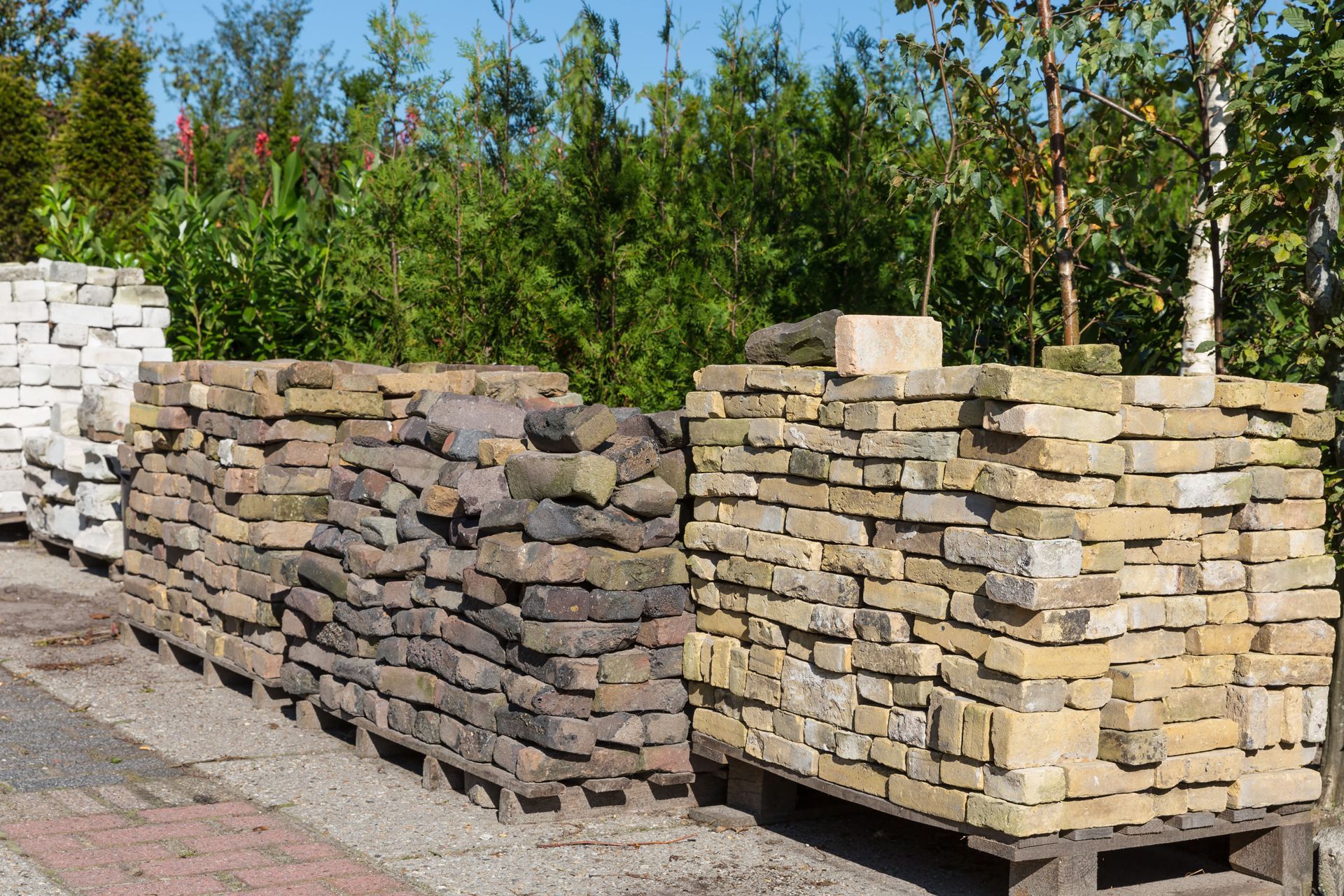
Materials commonly used in hardscaping projects include concrete, pavers, natural stone, brick, gravel, and wood. Selecting the right materials depends on factors such as climate, maintenance preferences, budget, and design style.
A professional landscaping supplier often provides many of the essential materials needed for hardscaping projects, including pavers, retaining wall blocks, gravel, and decorative stone. Choosing quality materials is critical because hardscaping structures are designed to withstand weather exposure and heavy use over many years.
Hardscaping also helps balance the softer visual elements of landscaping by adding contrast, organization, and functional spaces that enhance the overall design of a property.
Comparing Aesthetic Differences Between Hardscaping and Landscaping
One of the easiest ways to distinguish hardscaping from landscaping is by examining their visual roles within an outdoor design.
Landscaping tends to create softness, color, and natural beauty. Plants introduce texture, movement, and seasonal variation that make outdoor spaces feel lively and inviting. Gardens and greenery often create calming environments that connect people with nature.
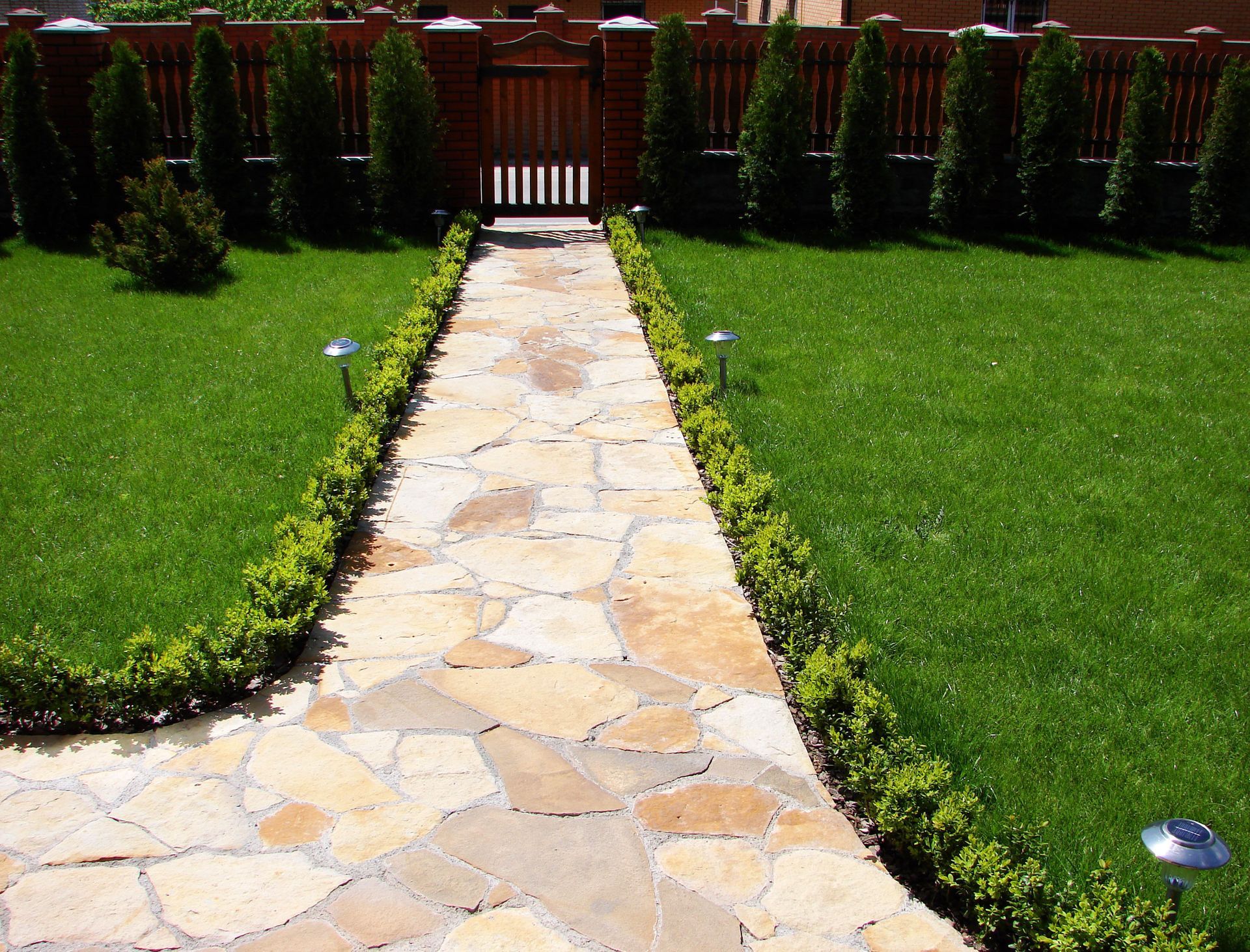
Hardscaping, on the other hand, introduces stability, structure, and permanence. Stone walkways, patios, and retaining walls provide visual definition and create organized layouts that guide movement throughout a property.
Successful outdoor designs typically combine both elements to achieve balance. Too much landscaping without structural features may feel overgrown or difficult to maintain. Conversely, excessive hardscaping without greenery can appear cold or uninviting.
Design professionals often work closely with a landscaping supplier to coordinate materials and plant selections that complement one another. For example, natural stone pathways may pair beautifully with flowering garden beds, while decorative gravel can highlight surrounding greenery.
The relationship between hardscaping and landscaping is not about choosing one over the other. Instead, it involves creating harmony between natural and structural elements to achieve a cohesive outdoor design.
Exploring Maintenance Requirements for Outdoor Spaces
Maintenance is another major difference between landscaping and hardscaping. Living landscape elements require ongoing care to remain healthy and attractive, while hardscaping generally requires less frequent maintenance.
Landscaping maintenance may include mowing, watering, pruning, fertilizing, weeding, pest control, and seasonal planting. Different plants have varying maintenance needs depending on climate and growth patterns.
Property owners who prefer lower-maintenance yards may choose drought-resistant plants, native landscaping, or simplified garden designs to reduce upkeep requirements.
Hardscaping features typically require less regular attention, although they still need occasional cleaning, sealing, or repairs. Pavers may shift over time, retaining walls may require inspection, and outdoor surfaces can accumulate dirt or moss depending on weather conditions.
Working with a knowledgeable landscaping supplier can help property owners choose durable materials and low-maintenance solutions that fit their lifestyle and budget.
Balancing maintenance expectations is an important part of outdoor planning. Some homeowners enjoy gardening and regular yard care, while others prefer designs that minimize long-term upkeep.
Examining the Functional Benefits of Hardscaping and Landscaping
Both hardscaping and landscaping provide practical benefits beyond visual appeal. Together, they improve the functionality, comfort, and value of outdoor spaces.
Landscaping can help regulate temperatures around a property by providing shade and reducing heat absorption. Trees and shrubs may also create privacy barriers and reduce noise from nearby streets or neighbors.
Additionally, landscaping supports environmental health by promoting biodiversity and improving water absorption. Properly designed landscapes can help manage drainage and reduce erosion during heavy rainfall.
Hardscaping contributes by creating durable outdoor living spaces that increase usability. Patios, seating areas, and outdoor kitchens allow homeowners to enjoy their property more comfortably throughout the year.
Retaining walls and drainage systems also serve important structural purposes by stabilizing slopes and directing water away from foundations.
A trusted landscaping supplier can help property owners select materials and design elements that maximize both beauty and functionality while ensuring long-term durability.
When thoughtfully integrated, hardscaping and landscaping work together to create outdoor environments that are both practical and visually appealing.
Now is the perfect time to explore your outdoor design goals, consult with experienced professionals, and partner with a reliable landscaping supplier to bring your property to life with beautiful, functional, and lasting improvements. Get in touch with us at Architectural Products Inc to find the right supplies for your next project.
Subscribe to our Blog
Share On: