
Hardscaping Elements Your Home Could Benefit From
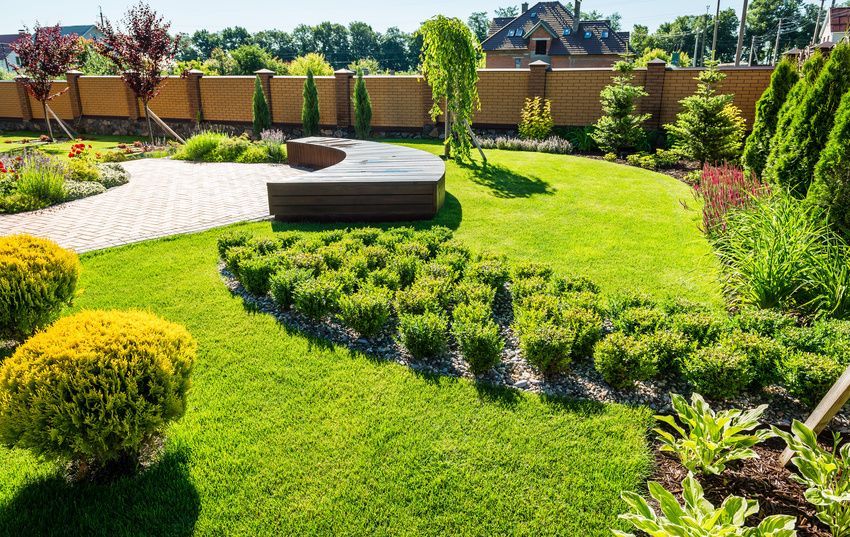
Hardscaping plays an important role in creating an attractive, functional outdoor space. While plants, trees, and flowers bring natural beauty to a landscape, features such as patios, walkways, retaining walls, and decorative stonework provide structure and make outdoor areas more practical. Choosing the right elements can help homeowners create an inviting environment that complements their property's overall appearance.
Beyond improving curb appeal, thoughtfully selected hardscaping can make outdoor spaces more enjoyable and easier to maintain. According to LawnStarter, well-designed hardscaping has the potential to increase a home's value by up to 15%. In this article, we'll explore several hardscaping elements your home could benefit from and how different materials can contribute to your outdoor design.
1. Patios for Comfortable Outdoor Living
A patio creates a dedicated area for relaxing, entertaining, and enjoying time outside. Whether positioned near the back door or incorporated into a larger backyard design, this feature provides a comfortable surface for outdoor furniture, dining arrangements, and decorative accents.
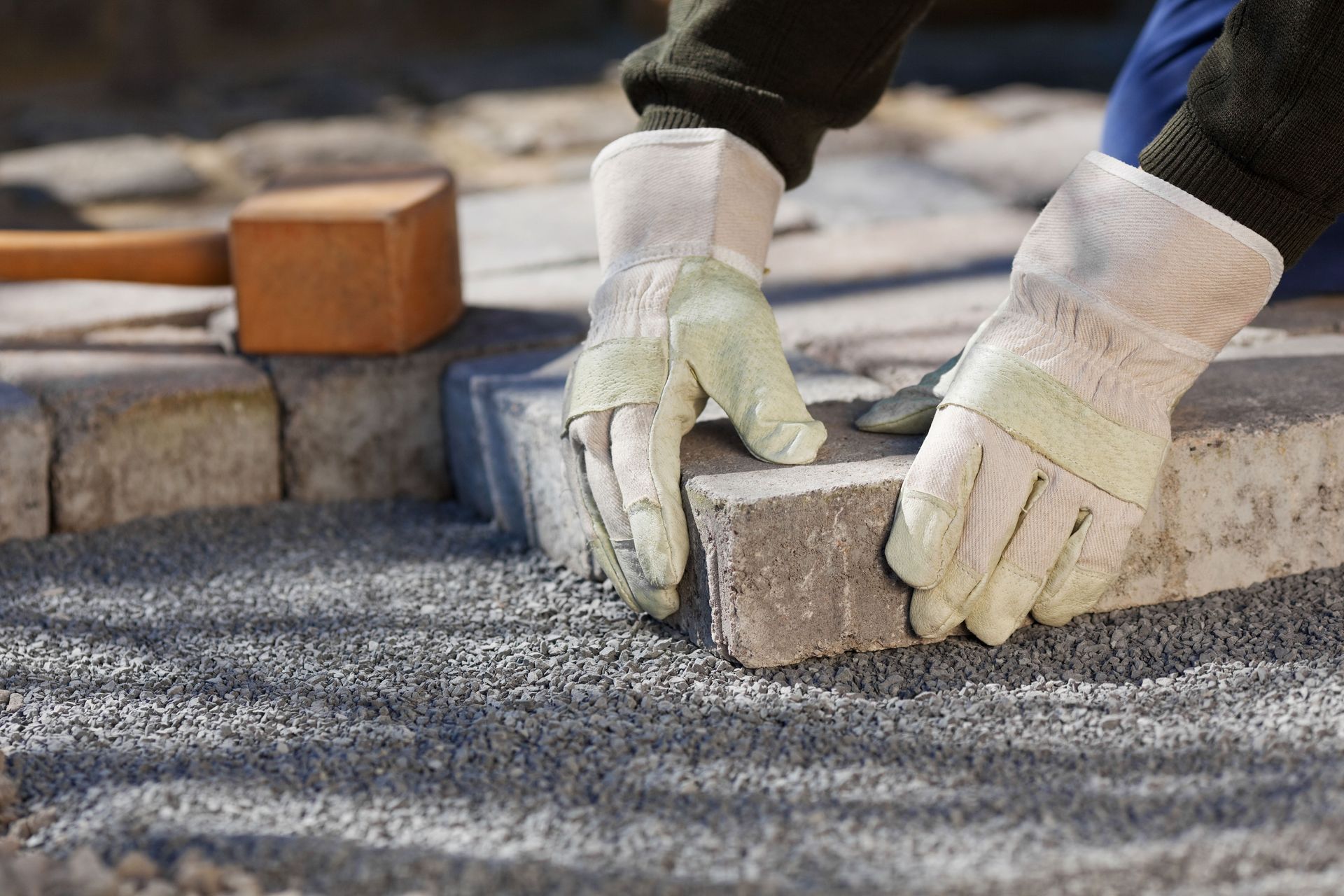
Homeowners can choose from several materials to complement their property's appearance, including pavers, natural stone, and concrete. Visiting a landscape supply provider can help you compare available materials, colors, and textures before deciding which option works best for your project.
A well-planned patio can also help define different areas of the backyard. For example, homeowners might create a seating area separate from an outdoor dining space, giving each section a clear purpose while maintaining a cohesive design.
2. Walkways for Better Yard Accessibility
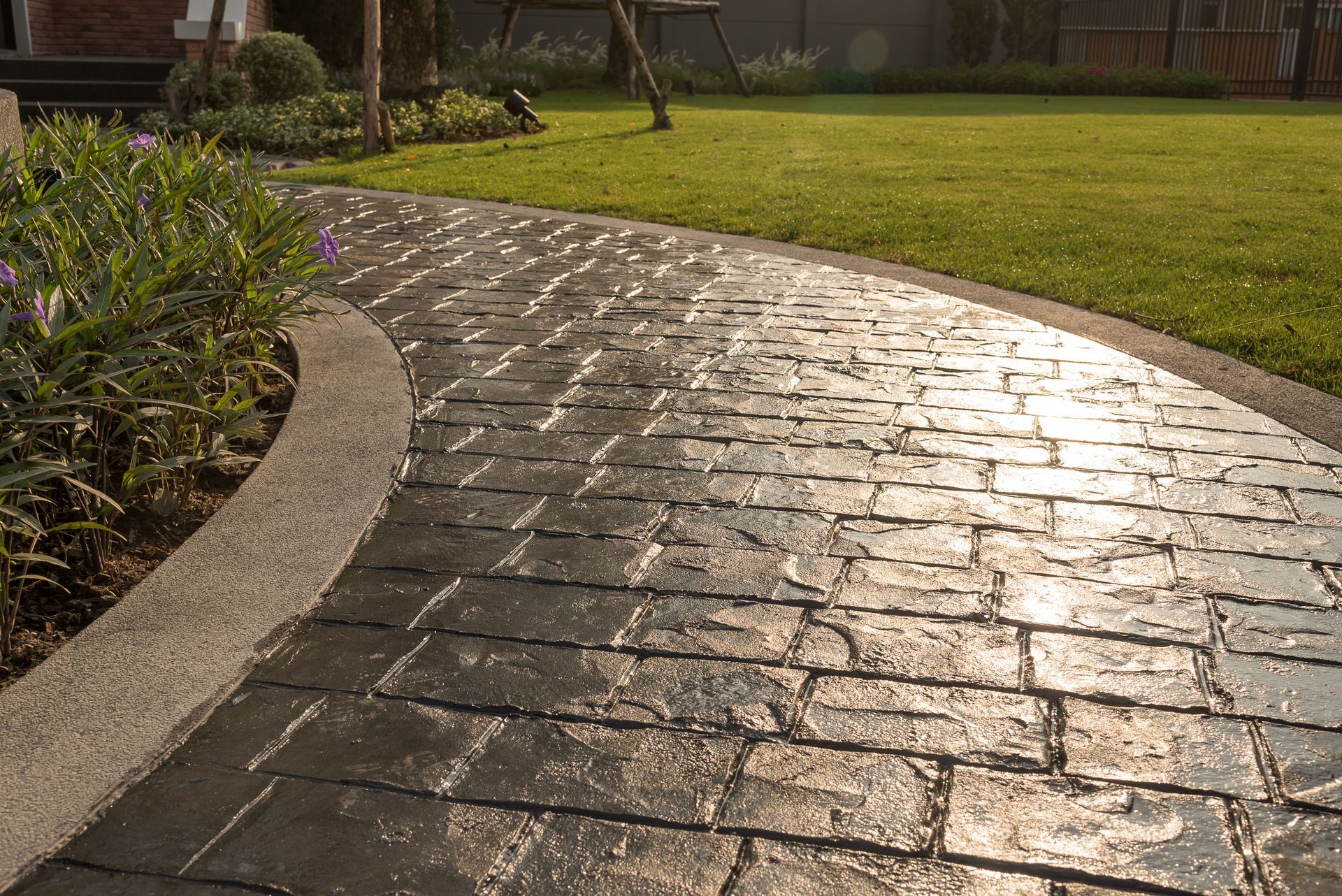
Walkways provide designated paths between different areas of a property. They can connect entrances, patios, gardens, and other outdoor features while creating a more organized appearance throughout the landscape.
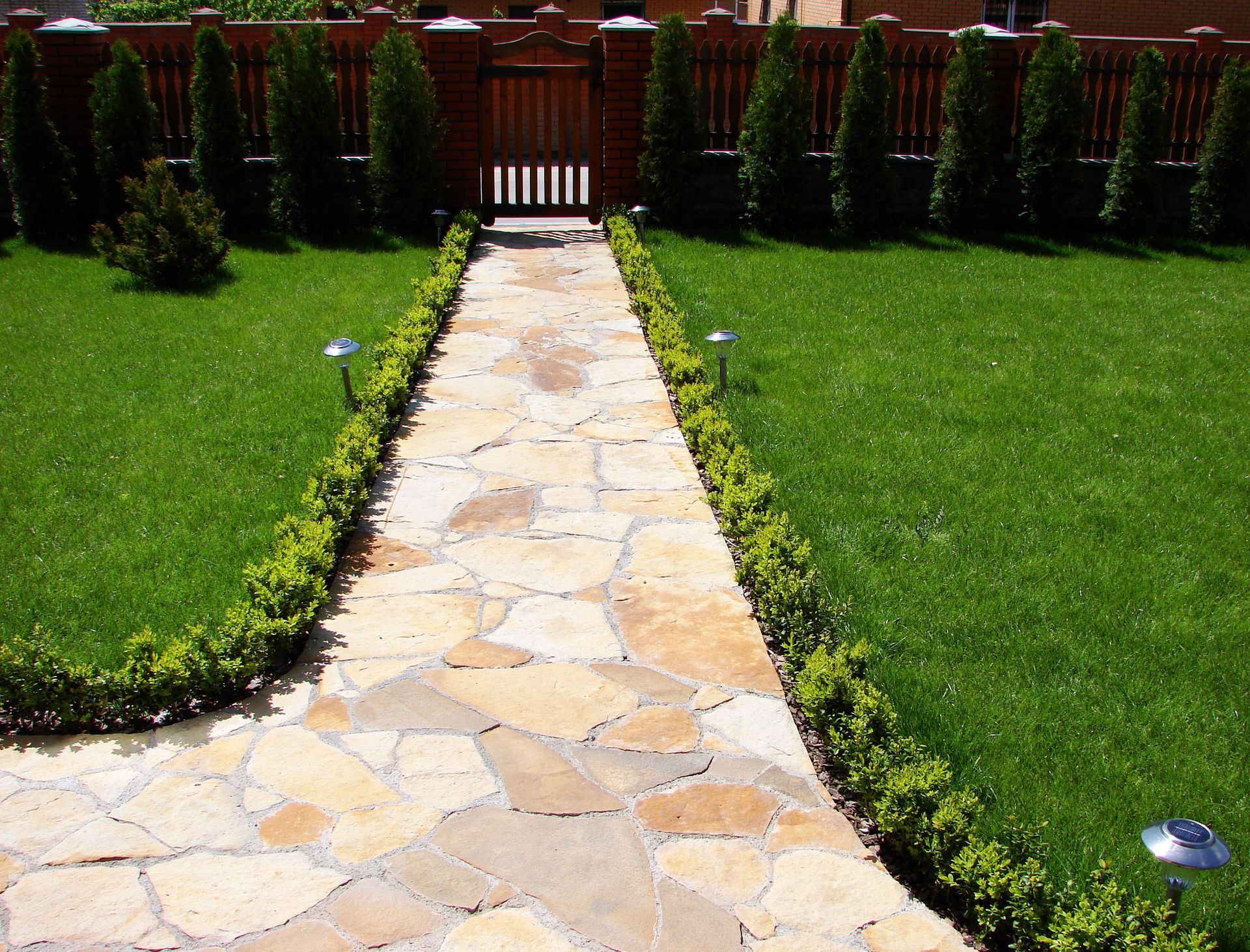
Pavers, gravel, stepping stones, and natural stone are popular materials for creating attractive pathways. The right selection depends on the desired appearance and how the walkway will complement the surrounding outdoor environment.
Beyond their practical purpose, walkways can become decorative features that add character to a yard. Curved paths can create a softer appearance, while straight walkways offer a more structured design that works well with contemporary properties.
Homeowners should also consider how the walkway connects with existing landscaping. Coordinating its materials with other hardscaping elements can create a consistent appearance and make the entire outdoor space feel more intentional.
3. Retaining Walls for Structured Landscapes
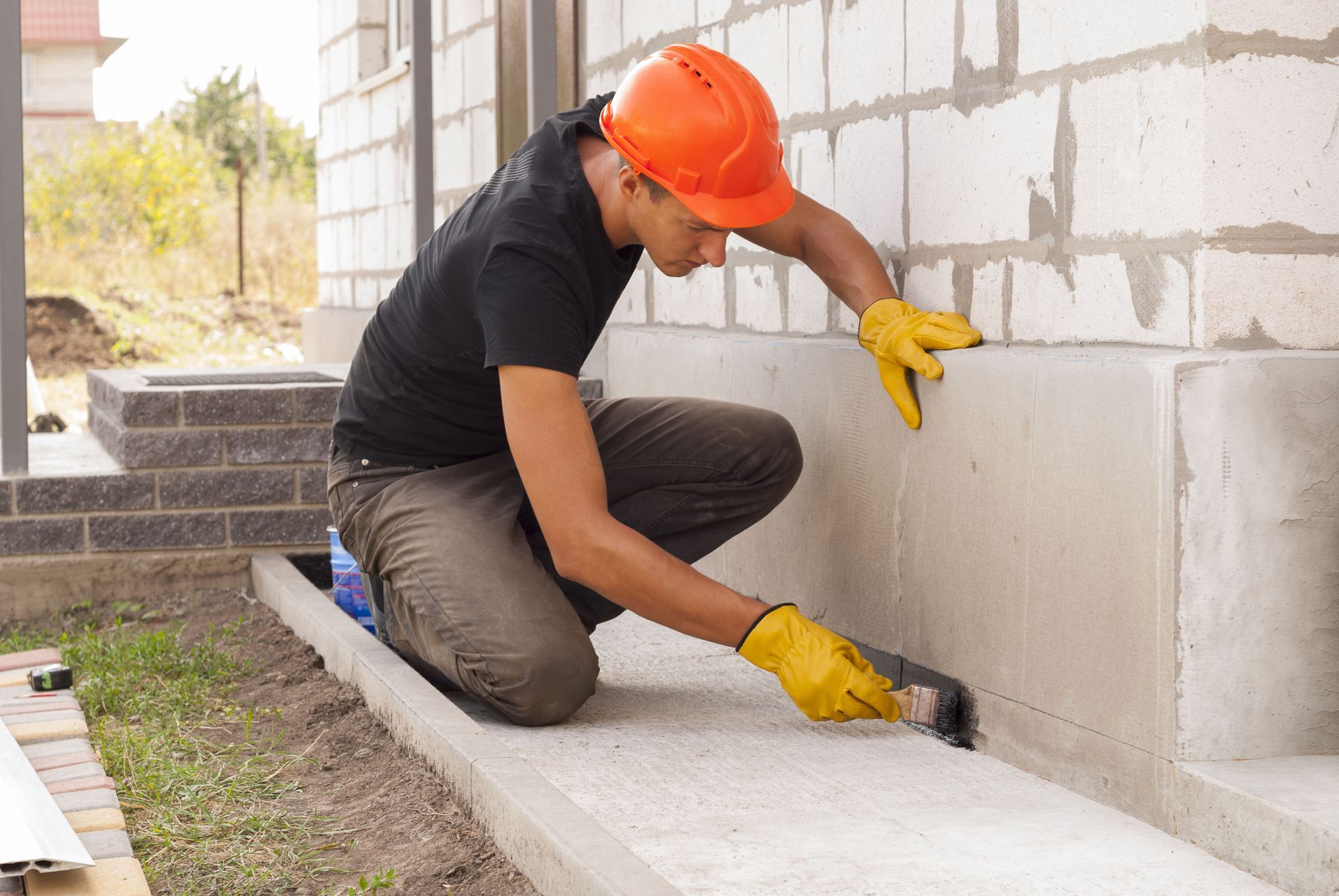
Retaining walls are useful additions for properties with sloped or uneven outdoor areas. They create defined boundaries between different elevations while providing a more organized appearance for the surrounding landscape.
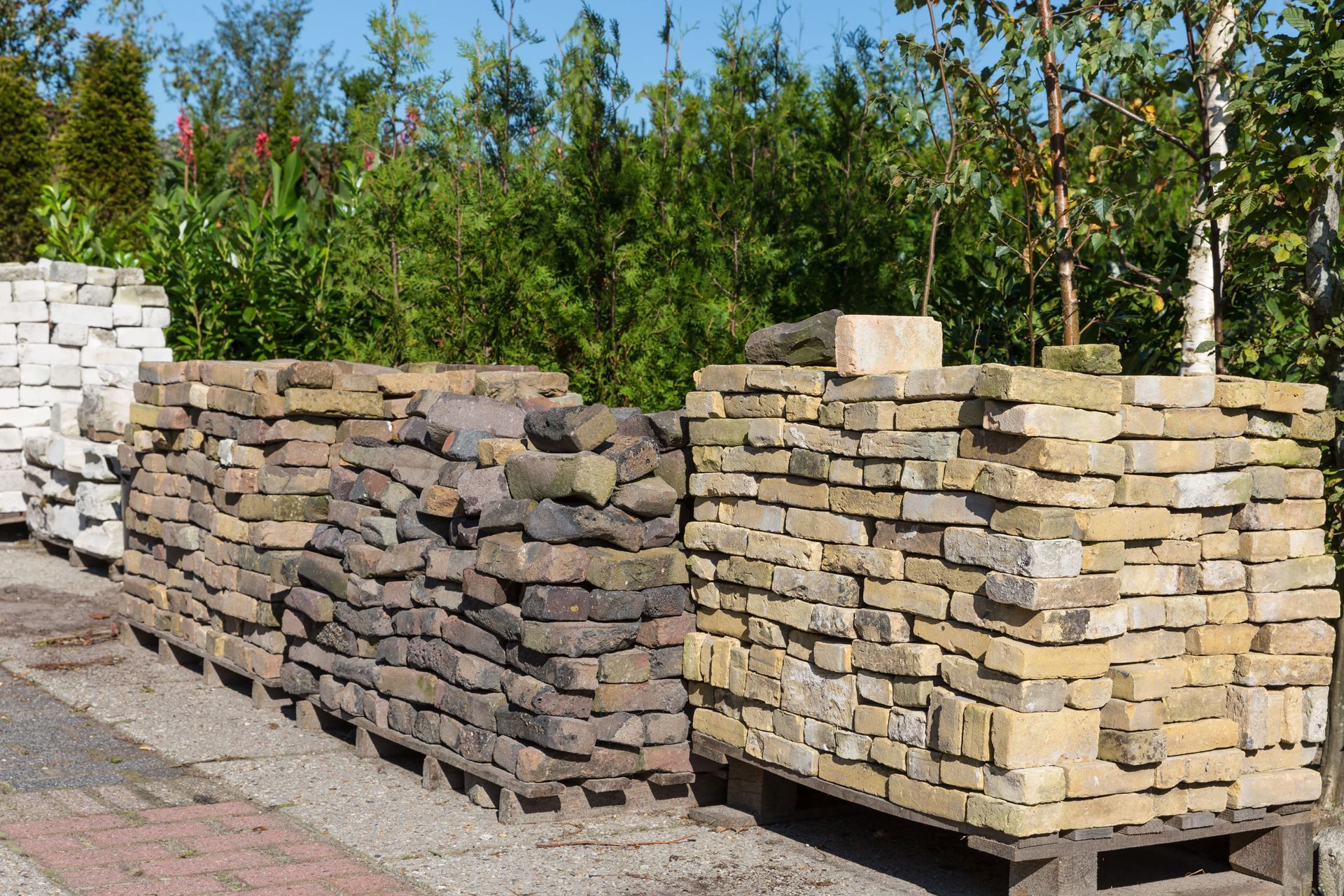
These structures can be constructed using concrete blocks, natural stone, or other masonry materials. Selecting an option that complements the home's exterior can help the retaining wall blend naturally into the overall property design.
Retaining walls can also create opportunities for additional landscaping features. Homeowners may incorporate raised planting beds, decorative arrangements, or designated garden sections into the design to make better use of their outdoor space.
When planning this type of project, material selection and proper construction are important considerations. A landscape supply provider can help homeowners explore different retaining wall products and find options that align with their preferred design.
4. Garden Edging for Cleaner Boundaries
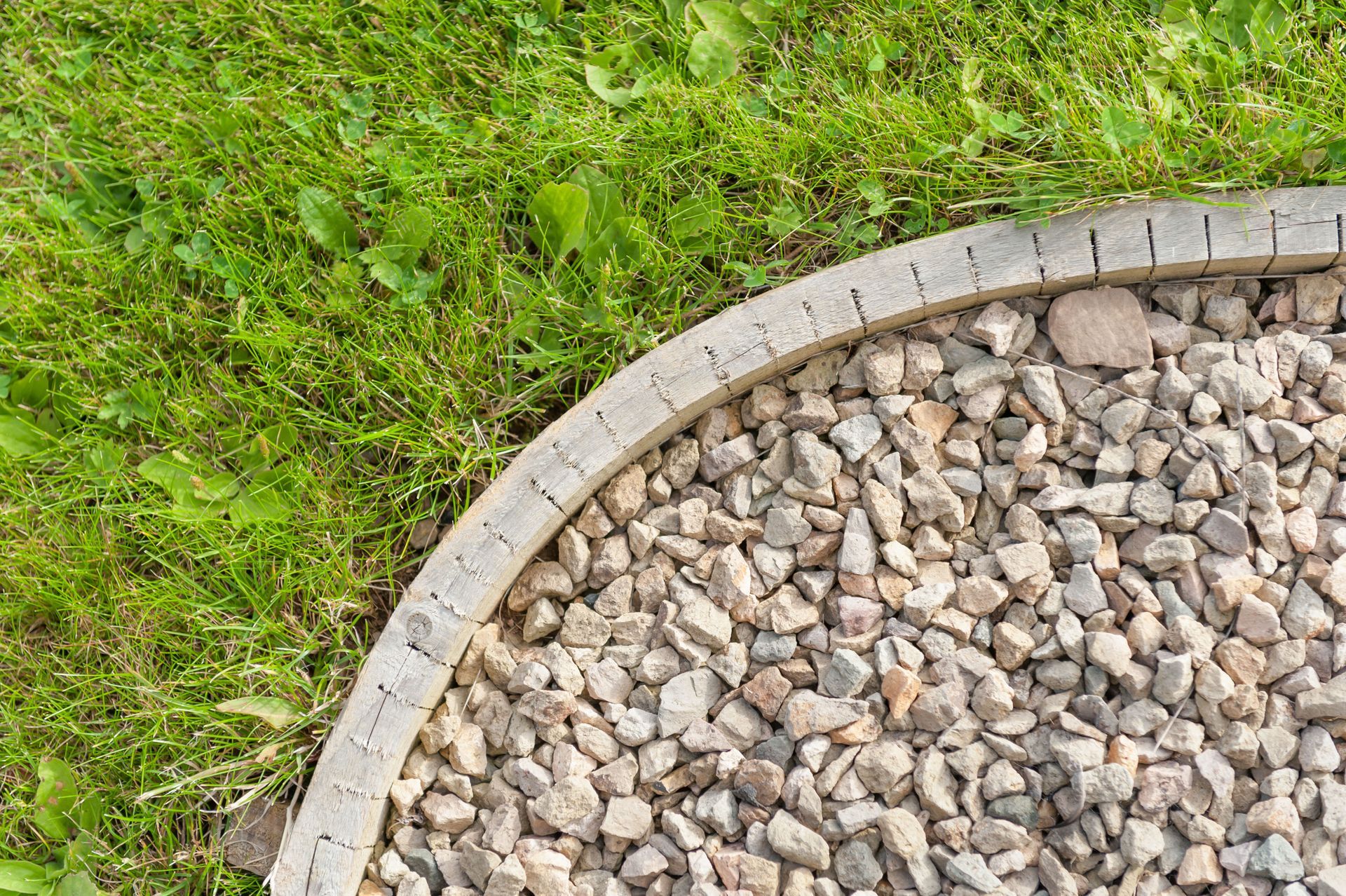
Garden edging provides a simple way to separate planting areas from surrounding lawn sections, walkways, and other outdoor features. It creates visible boundaries that help give the landscape a cleaner and more organized appearance.
Materials such as stone, brick, concrete, and decorative pavers can all be used to create garden borders. Homeowners can choose colors and textures that coordinate with existing patios, walkways, and other hardscaping elements.
Edging can also help distinguish different sections of the yard without requiring major changes to the overall layout. For example, a stone border around a flower bed can create a defined transition between the planting area and the surrounding landscape.
For homeowners planning several outdoor improvements, coordinating edging materials with other purchases from a landscape supply selection can help maintain a consistent design. Small details like these can make a noticeable difference in the finished appearance of the property.
5. Outdoor Fire Pits for Gathering Spaces
An outdoor fire pit can become a central feature in a backyard designed for relaxation and entertainment. It creates a designated gathering area where homeowners can arrange seating and enjoy spending time outside.
Fire pits are available in several styles, including permanent stone structures and designs incorporating concrete or masonry materials. The surrounding area can also be customized with pavers, decorative gravel, or stone to create a coordinated outdoor setting.
Placement is an important part of planning this feature. Homeowners should consider how the fire pit will fit into the existing layout and leave appropriate clearance from nearby structures, vegetation, and other potential hazards.
A fire pit can also work alongside other hardscaping features to create a more complete outdoor living area. Pairing it with a patio or stone seating arrangement can help establish a comfortable space that feels connected to the rest of the backyard.
6. Gravel Areas for Decorative Ground Cover
Gravel offers a versatile option for homeowners who want to incorporate additional texture into their outdoor designs. It can be used around garden beds, along pathways, beneath outdoor seating areas, or in sections where a different surface material is desired.
Different gravel varieties provide distinct colors, shapes, and textures. Pea gravel, crushed stone, and decorative rock can each contribute a different appearance, allowing homeowners to select materials that complement their property's existing features.
Gravel can also create visual separation between different parts of the landscape. For example, a decorative stone section between a patio and planting bed can establish a clear transition without introducing another large structure.
When selecting gravel, homeowners should consider the intended application and the appearance they want to achieve. A landscape supply provider can help them compare available aggregate options and determine which materials suit their project.
7. Decorative Stone Features for Added Character
Decorative stone features offer another way to introduce visual interest into an outdoor space. Whether used as standalone accents or incorporated into larger landscape designs, these materials can help create a more distinctive appearance.
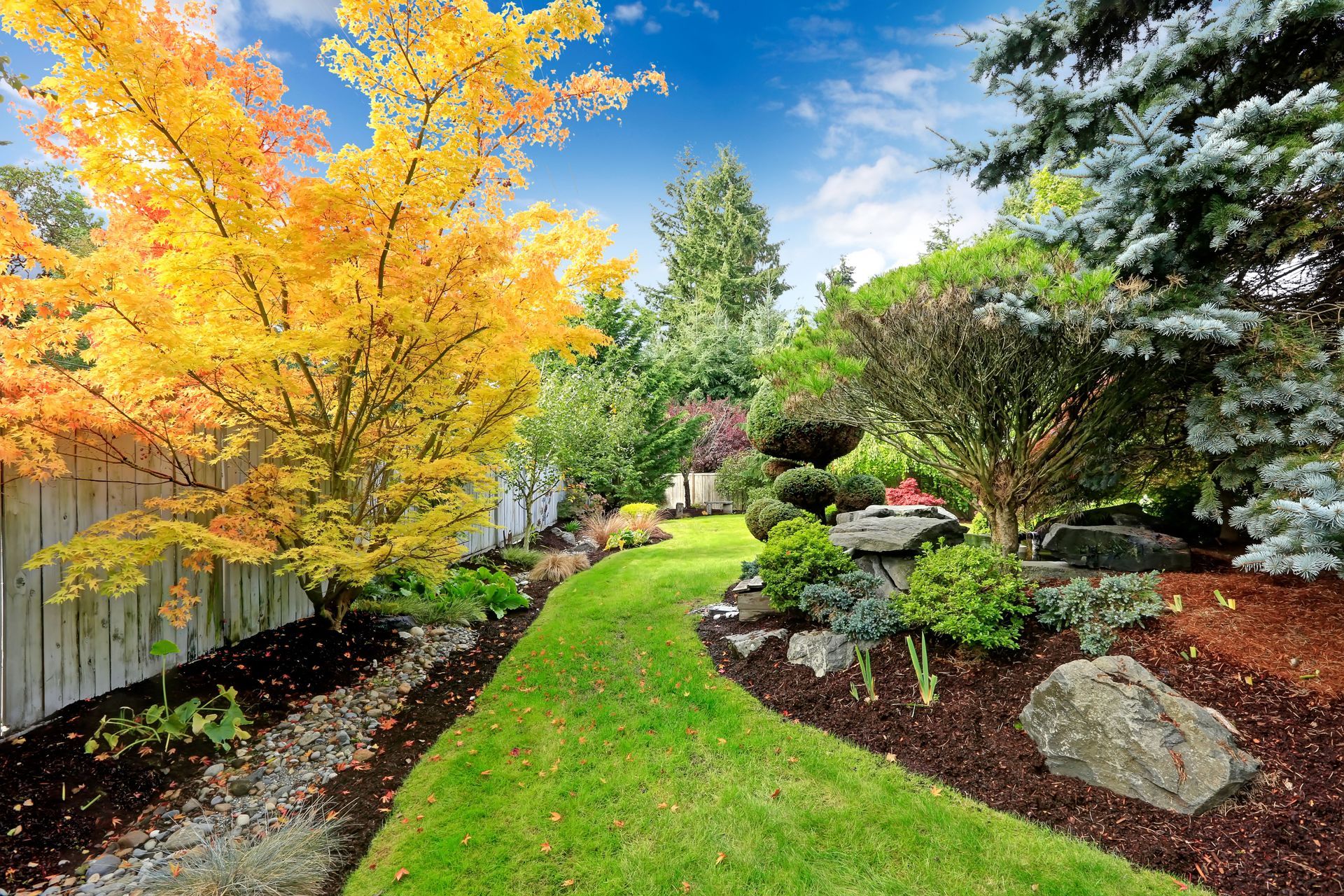
Large decorative rocks, stone borders, and rock gardens are examples of features homeowners can consider. These additions can complement existing plants and other hardscaping materials without requiring extensive changes to the property's layout.
Stone features also provide opportunities to introduce different textures and colors throughout the yard. For instance, contrasting decorative rocks can help highlight specific planting areas or create visual separation between outdoor sections.
Homeowners can explore different stone varieties through a landscape supply selection to find materials that complement their preferred aesthetic. Choosing accents that coordinate with patios, pathways, and retaining walls can help bring the entire design together.
Hardscaping offers homeowners several opportunities to improve the appearance and functionality of their outdoor spaces. From patios and walkways to retaining walls, fire pits, and decorative stone features, each element can serve a different purpose while contributing to a more cohesive landscape design.
The best approach is to consider how each feature will fit into the property's existing layout and complement its overall appearance. With the right materials and thoughtful planning, homeowners can create outdoor spaces that are both attractive and practical. Get in touch with our team at Architectural Products Inc to start planning your next hardscaping project.
Subscribe to our Blog

Share On: