
3 Common Landscaping Myths Debunked by a Landscape Supply Store
Landscaping projects often involve more than choosing attractive plants and arranging them around a property. Hardscape materials, outdoor living features, walkways, retaining walls, and decorative elements can all influence how a finished space looks and functions. However, misconceptions about landscaping materials can make it harder to determine which options are appropriate for a specific project.
A landscape supply store can help homeowners and contractors separate common myths from practical considerations when selecting materials. According to the National Association of Landscape Professionals, 43% of consumers use professional landscaping services to improve their home's curb appeal. Understanding how different products perform, what they offer aesthetically, and how they should be selected can help property owners make informed decisions.
Myth 1: Landscaping Materials Are Primarily Decorative
Hardscape Materials Combine Beauty and Function
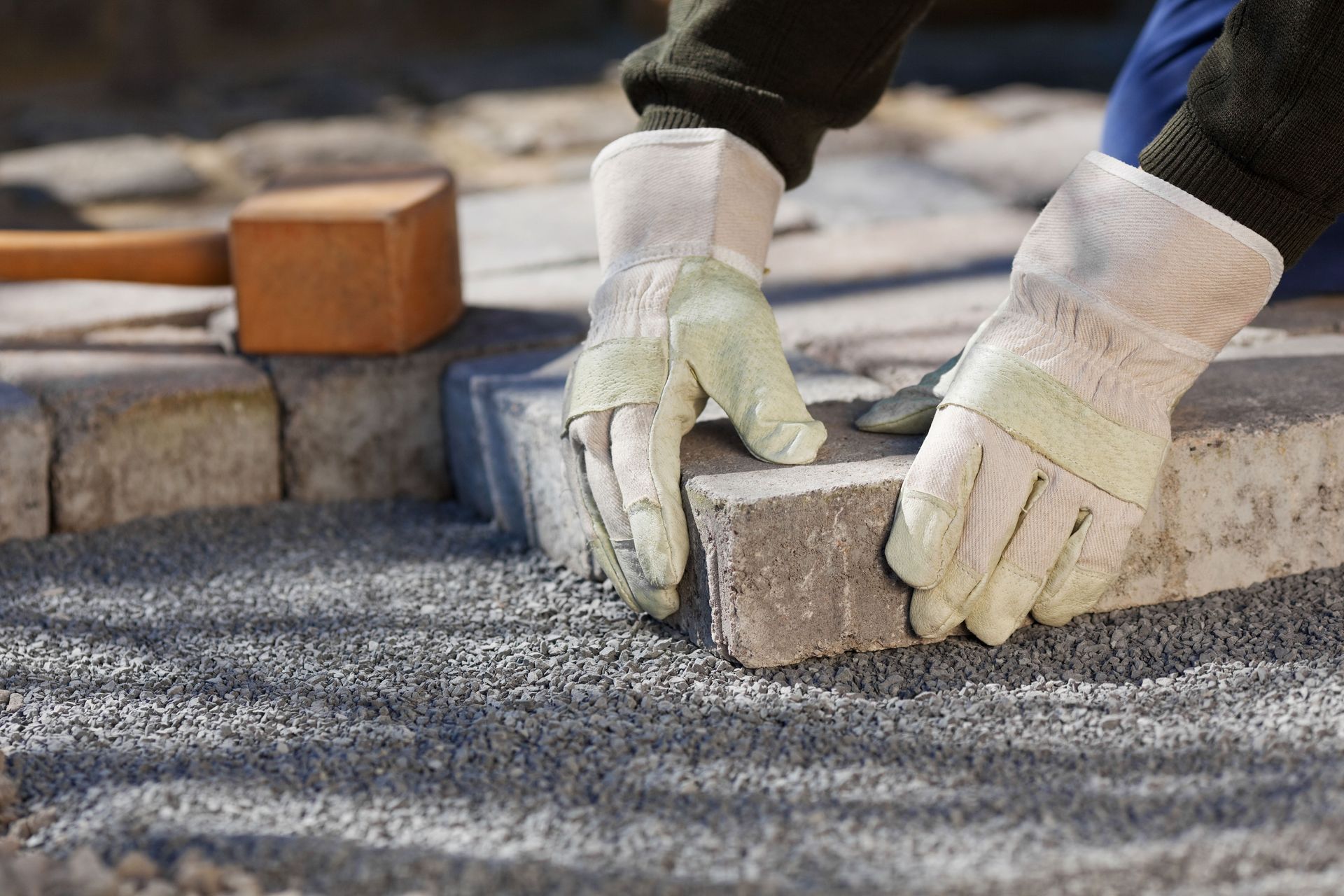
One common misconception is that landscaping materials are selected mainly for their appearance. While color, texture, shape, and style are important, quality hardscape products also serve practical purposes. Pavers can create stable surfaces for driveways, patios, and walkways, while natural stone can be used for retaining walls, steps, edging, and other structural or decorative applications. Materials should therefore contribute to both the visual character and functionality of the space.
A landscape supply store can help customers consider how different materials will perform within the intended application. For example, areas exposed to vehicle traffic require products capable of handling repeated loads, while patios and walkways may require different considerations related to foot traffic, drainage, and surface texture. Selecting materials according to their intended use can help create outdoor spaces that are attractive without sacrificing performance.
Natural Stone Offers More Than One Look
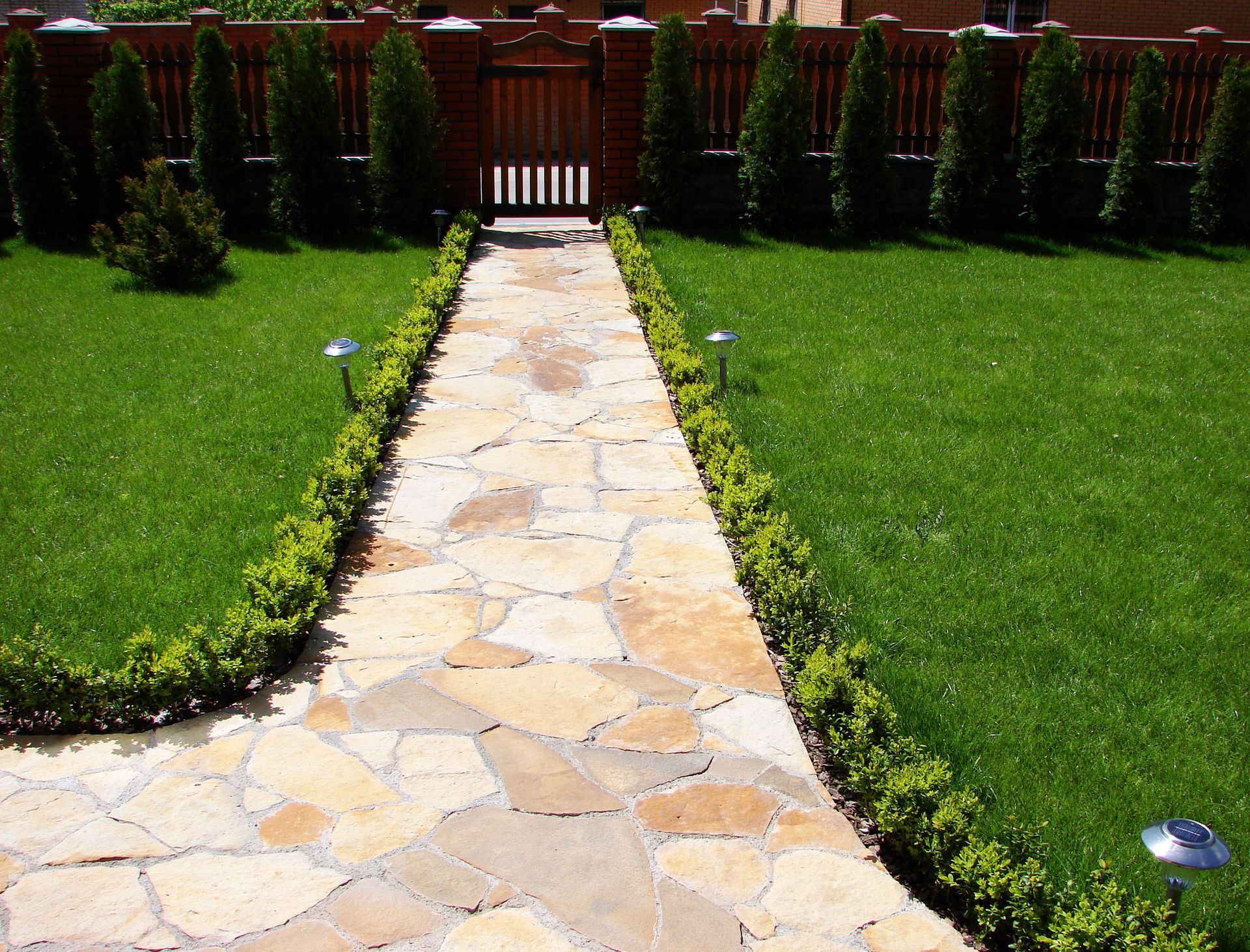
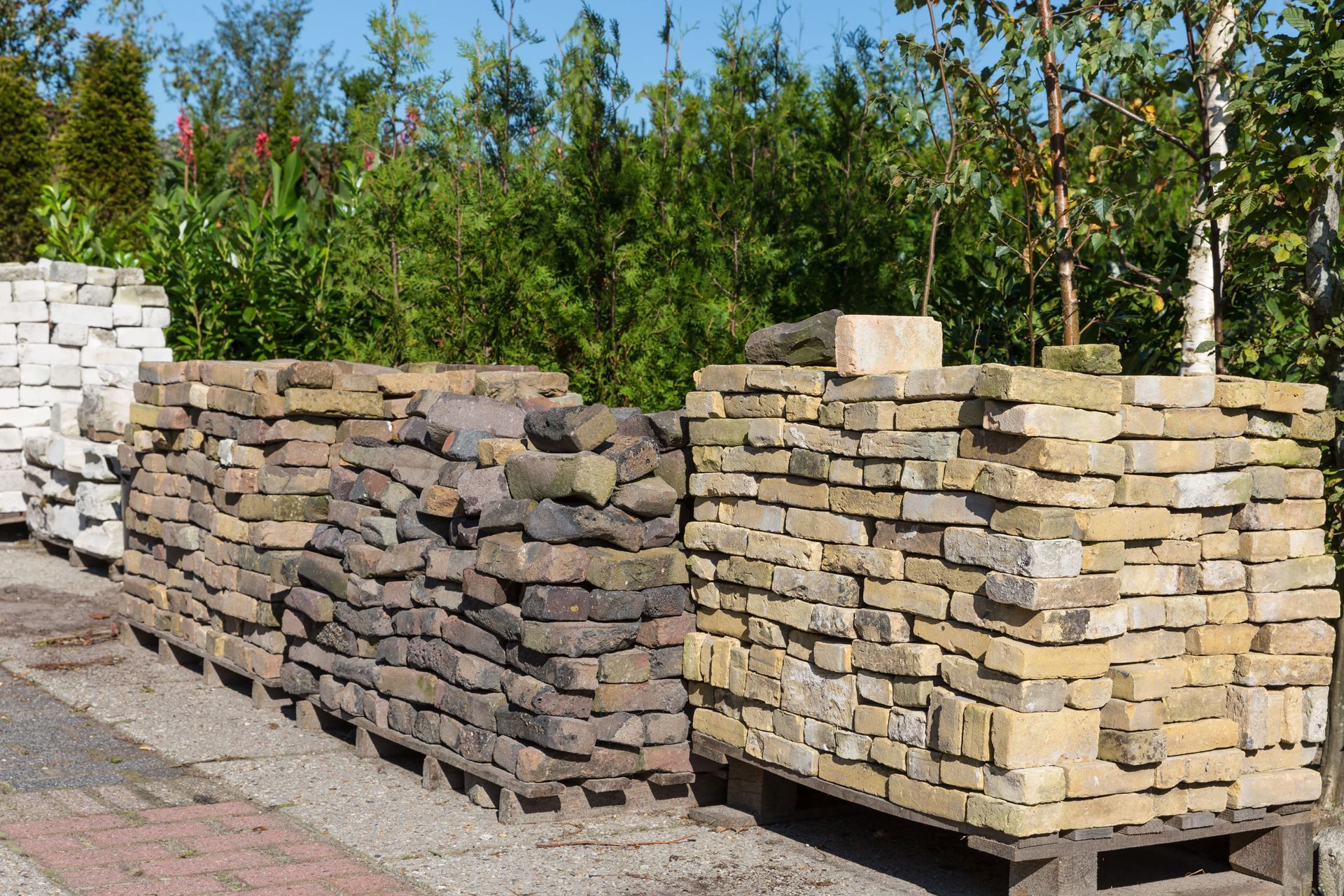
Another misconception is that natural stone creates a single, traditional appearance. In reality, natural stone comes in numerous colors, textures, shapes, and sizes. Flagstone, wall stone, boulders, steps, caps, edging, and pavers can each create different visual effects depending on how they are incorporated into the design. These options can support everything from rustic outdoor spaces to more structured and contemporary landscapes.
Durable Materials Can Support Long-Term Use
Appearance is only one consideration when selecting landscape materials. Outdoor products must also contend with changing temperatures, moisture, traffic, and other conditions that can affect their performance. Pavers designed for demanding applications, for example, can provide a durable surface for driveways and other areas that experience substantial use. Some products can also offer characteristics such as salt resistance and consistent coloration throughout the material.
A landscape supply store can help customers evaluate those characteristics before purchasing materials. This is especially useful when a project includes multiple applications, such as a patio connected to a walkway or driveway. Choosing products based on both appearance and expected conditions can help the finished landscape remain functional and visually appealing as the property continues to be used.
Myth 2: All Landscaping Projects Require the Same Materials
Project Requirements Should Guide Material Selection
A second common myth is that landscaping materials are interchangeable regardless of the project. In practice, the appropriate material depends on factors such as the purpose of the space, expected traffic, desired appearance, installation method, and surrounding environment. A material that works well for a decorative garden border may not be the best choice for a driveway or retaining wall.
Consulting a landscape supply store can make this distinction easier to understand. Suppliers with experience in landscaping and hardscaping can discuss how different products are intended to be used and help customers compare their characteristics. This type of guidance can be particularly valuable for homeowners who know what they want their outdoor space to look like but are uncertain about which materials can produce the desired result.
Outdoor Living Spaces Require Thoughtful Planning
Patios, fireplaces, fire pits, grills, and other outdoor living features can become focal points of a landscape. However, choosing materials for these areas involves more than matching colors. The products need to complement the scale and purpose of the feature while working with the surrounding hardscape. Coordinating stone, brick, pavers, and other materials can help create a unified outdoor environment.
Drainage and Site Conditions Are Crucial
Landscaping materials do not exist independently of the property where they are installed. Soil conditions, drainage, grading, weather exposure, and the existing layout can all affect how a project should be planned. Ignoring these factors may lead to problems such as water accumulation, shifting materials, or premature deterioration. Material selection should therefore be considered alongside the conditions of the installation site.
A knowledgeable landscape supply store can help customers think through these considerations before materials are ordered. Contractors may already understand the technical requirements of a particular project, while homeowners may benefit from additional guidance about product characteristics and potential applications. Taking the time to evaluate the site and intended use can reduce the likelihood of selecting materials that are unsuitable for the project.
Myth 3: Landscaping Materials Are Difficult to Customize
Color and Texture Create Design Flexibility
Some property owners assume that landscaping materials are available in only a few standardized colors and styles. Modern product selections can be much broader, particularly when suppliers offer materials from multiple manufacturers, quarries, and product lines. Natural stone, brick, concrete pavers, and other masonry products can be available in numerous shades, textures, finishes, and shapes.
Working with a landscape supply store gives customers an opportunity to compare these options before committing to a specific design. A homeowner may prefer the irregular character of natural stone for a garden path or the more consistent appearance of pavers for a driveway. Contractors can likewise combine materials to create distinctive patterns and transitions that complement the property's existing architecture.
Hardscaping Can Define the Character of a Property
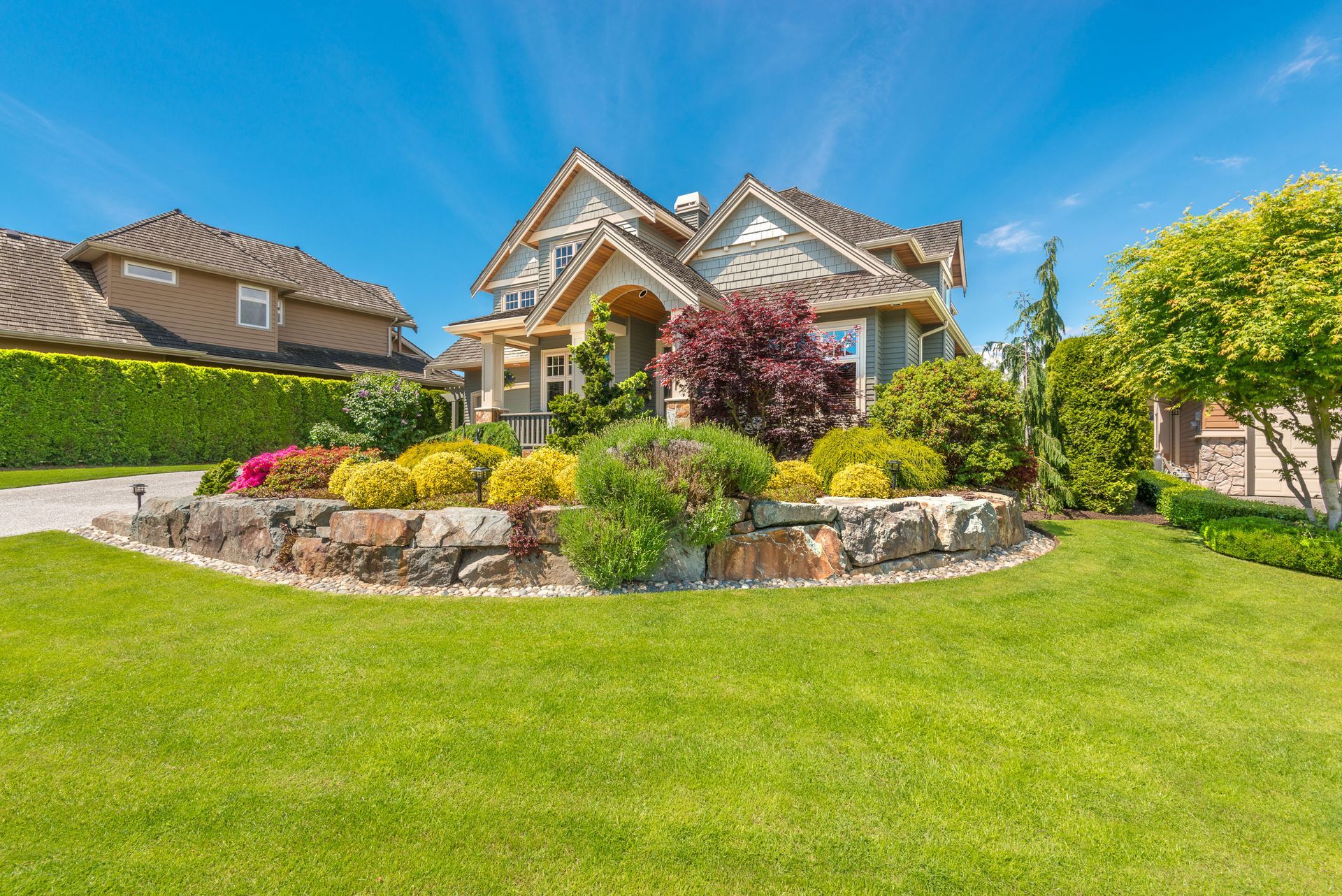
Landscaping is not limited to plants and lawn areas. Hardscape features can establish boundaries, direct movement through an outdoor space, create gathering areas, and provide visual contrast. Retaining walls can add structure to sloped properties, while steps and pathways can connect different portions of a yard. Edging, boulders, and decorative rock can also contribute definition and texture.
Professional Guidance Can Simplify Material Decisions
With so many material choices available, it can be difficult to determine where to begin. Homeowners may have a general concept for their outdoor space but lack experience comparing stone, brick, pavers, gravel, or other products. Contractors may also need to source specific materials that meet the requirements of a larger residential or commercial project.
A landscape supply store can serve as a valuable resource during this process by helping customers compare products according to appearance, durability, application, and project requirements. Experienced suppliers can also discuss available options and provide information that helps customers make more practical purchasing decisions. This support can make material sourcing more efficient while helping keep the project aligned with its intended design.
Landscaping myths can make material selection seem more complicated than it needs to be. Quality hardscape products are not simply decorative, different projects require different materials, and landscaping materials can provide considerable flexibility in both appearance and application. Looking beyond assumptions allows homeowners and contractors to evaluate products according to what a specific property and project actually require.
Working with a knowledgeable landscape supply store can also make it easier to compare natural stone, brick, pavers, decorative rock, and other options. Whether the goal is to create a durable driveway, an inviting patio, a defined walkway, or a complete outdoor living area, selecting materials based on function and design can produce a more cohesive result. With the right products and careful planning, landscaping materials can provide the foundation for an outdoor space that combines lasting performance with distinctive visual appeal. Contact Architectural Products Inc to discuss your project and find the right materials for your outdoor space!
Subscribe to our Blog


Share On: