
13 Mistakes Contractors Make When Choosing Epoxy Flooring Supplies
Selecting the wrong materials for a commercial or residential surface project can quickly derail a contractor's timeline. Clients expect flawless, durable surfaces that withstand heavy foot traffic and vehicular wear over extended periods. Achieving these high standards requires careful planning and a deep understanding of your chemical components.
Partnering with dependable distributors ensures that you receive high-quality materials formulated for longevity and performance. Investing in premium epoxy flooring supplies guarantees a beautiful finish that keeps your clients satisfied for decades.
1. Overlooking Local Climate Subtleties
Environmental factors drastically alter how liquid polymers cure and bond to concrete substrates during application. Contractors often forget to verify the ambient temperature and humidity levels inside the workspace before ordering materials. Ignoring these regional climate conditions can lead to premature hardening or bubbling across the surface.
Different geographic locations demand specific chemical formulations to achieve a successful, smooth installation process. Specialized winter blends prevent sluggish curing times when working in freezing northern regions.
2. Ignoring Concrete Moisture Levels
Applying commercial coatings over damp or unsealed concrete subfloors represents a major recipe for total project failure. Trapped moisture vapor creates immense upward pressure that inevitably causes unsightly blistering and widespread delamination. Professionals must test for hidden dampness before selecting their primary bonding agents and moisture mitigation primers.
- Conducting relative humidity testing inside the concrete slab
- Applying specialized moisture vapor barriers before the main coating
- Verifying substrate dryness using electronic impedance meters
Choosing appropriate epoxy flooring supplies requires an accurate assessment of the underlying concrete foundation. Standard primers fail to adhere correctly when facing hydrostatic pressure from beneath the building. Investing in high-grade moisture-blocking basecoats prevents costly future warranty claims and preserves your professional reputation.
3. Miscalculating Total Material Volume
Underestimating the volume of product required for a project leads to stressful delays and mismatched color batches. Contractors often fail to account for porous concrete surfaces that absorb liquid materials like a giant sponge. Running out of product mid-way through an application creates prominent, ugly seam lines.
Accurate volume estimation depends on understanding standard coverage rates for typical residential and commercial spaces. According to Today’s Homeowner, a standard 400–600 square-foot garage typically requires at least two to three 3-gallon buckets of epoxy resin. Skimping on material thickness compromises the overall durability and impact resistance of the finished surface.
4. Disregarding Substrate Profiling Requirements
Liquid coatings cannot bond successfully to smooth, polished concrete without adequate mechanical surface preparation. Contractors make a massive mistake when they skip diamond grinding or shot blasting prior to chemical application. Without a rough surface profile, the expensive topcoat will eventually peel away under heavy vehicular traffic.
Purchasing premium epoxy flooring supplies does not compensate for poor mechanical preparation of the concrete slab. The liquid needs a rough texture to achieve a permanent, iron-clad mechanical bond with the floor. Proper profiling ensures the protective coating becomes an inseparable part of the building structure.
5. Mixing Chemical Components Improperly
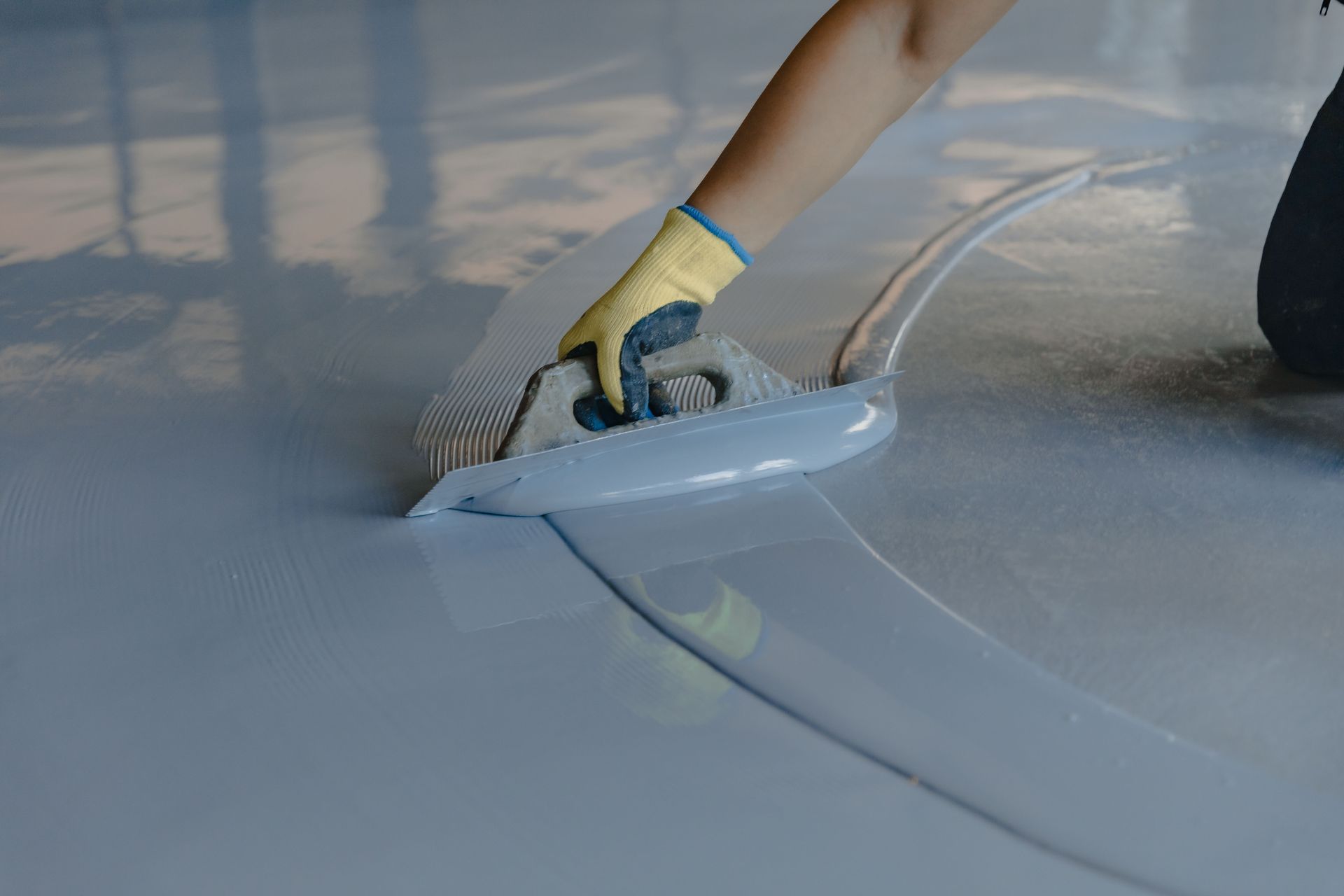
Rushing through the blending phase alters the molecular structure of two-component polymer systems. Contractors sometimes fail to maintain the strict mixing ratios demanded by modern chemical manufacturers. Deviating from these precise instructions results in soft spots that never completely cure or harden.
Using inadequate mixing paddles introduces excessive air bubbles into the thick, unmixed liquid components. These trapped pockets of air create tiny pinholes and cosmetic blemishes across the glossy topcoat surface.
6. Selecting Inappropriate Topcoat Formulations
Failing to analyze how a space will function leads to choosing completely wrong protective finish coats. A busy automotive workshop requires vastly different chemical resistance than a pristine residential basement playroom. Contractors must select topcoats that specifically repel harsh chemicals, hot tires, and corrosive oil spills.
- Polyurethane topcoats for superior ultraviolet light resistance
- Polyaspartic finishes for rapid curing and extreme scratch protection
- Anti-slip aggregates to enhance safety in wet commercial environments
Securing the right epoxy flooring supplies involves matching the final protective topcoat to the client's daily operational needs. Outdoor spaces and areas with large windows require ultraviolet light protection to prevent yellowing over time. Choosing the correct wear layer ensures the floor retains its beautiful appearance despite heavy daily abuse.
7. Overlooking Detailed Safety Instructions
Ignoring manufacturer safety data sheets puts installation crews at serious risk during the application process. Some high-solids systems emit strong volatile organic compounds that require specialized respiratory equipment and proper room ventilation.
Failing to plan for proper ventilation can delay projects and create uncomfortable working environments for nearby tenants. Safe handling practices protect your workforce while ensuring compliance with regional environmental health laws. Prioritizing safety during the material selection phase ensures a smooth, accident-free installation process.
8. Skipping Essential Primer Coats
Attempting to save money by applying basecoats directly to unprimed concrete surfaces always invites future disaster. Raw concrete contains thousands of tiny microscopic air pockets that release gas as the heavy liquid cures above them.
High-quality primers penetrate deep into the concrete pores to seal off these troublesome pockets of air. They create a uniform, chemically receptive surface that bonds perfectly with subsequent color coats. Investing in dedicated primers ensures your work withstands heavy loads without separating from the foundation.
9. Relying on Cheap Alternatives
Purchasing inferior, retail-grade water-based products to maximize profit margins always backfires on professional installers. These low-cost alternatives lack the solid content necessary to withstand heavy industrial traffic or automotive chemical spills
Sourcing professional epoxy flooring supplies guarantees that your work remains vibrant and intact for many years. High-solids formulations offer superior resistance to impact, abrasion, and intense thermal shock from hot water washing. Delivering premium quality allows you to command higher prices and secure profitable commercial contracts.
10. Rushing the Curing Window
Allowing clients back onto a newly coated surface before the chemicals fully cure ruins pristine installations. Contractors often succumb to client pressure and permit heavy traffic on floors that remain chemically vulnerable. This premature usage causes permanent tire marks, deep scratches, and structural indentation blemishes.
Every unique product formula possesses specific time requirements before it can handle heavy vehicular weight safely. Explain these timing restrictions clearly to your clients before the installation process begins to manage expectations
11. Failing to Verify Batch Codes
Mixing different manufacturing batches on a single large continuous floor often creates noticeable color variations. Contractors frequently overlook batch numbers when loading inventory into their work trucks for big commercial projects. These subtle shading differences become glaringly obvious once the liquid components dry completely under bright lights.
Always organize your epoxy flooring supplies by matching batch numbers before arriving at the job site. If you must use different batches, blend them together beforehand to ensure perfect color uniformity.
12. Misunderstanding Flexural Strength Needs
Installing rigid, unyielding coatings over structures prone to shifting or vibration leads to extensive hairline cracking. Contractors must evaluate whether a building experiences structural movement before finalizing their product orders. Heavy manufacturing facilities with massive vibrating machinery require specialized elastomeric underlayments to absorb structural stress.
- Flexible basecoats designed to bridge small concrete cracks.
- Elastomeric joints that move in harmony with the building foundation.
- High-tensile strength formulas that resist heavy industrial loads.
13. Neglecting Ongoing Maintenance Education
Leaving a client without proper instructions on how to clean their new surface invites premature wear. Contractors make a mistake when they fail to explain that harsh, acidic cleaners destroy glossy protective topcoats. Providing a clear maintenance guide ensures the floor stays beautiful and functions perfectly for decades.
Recommend neutral pH cleaners that lift stubborn dirt without dulling the protective shine of the polymer surface. Advise clients to avoid abrasive scrubbing pads that create micro-scratches over the years of continuous cleaning. Educating your customers protects their investment while cementing your status as a helpful, knowledgeable industry professional.
Avoid these costly material mistakes by choosing a dependable supplier dedicated to your long-term commercial success. Your business deserves premium materials that deliver consistent, beautiful results on every single project site. Reach out to our knowledgeable team at Architectural Products Inc today to secure your specialized installation materials.
Subscribe to our Blog







Share On: